

【The Spirit of the Ryukyu】Special Edition (October 2026) “Adaniya Seisuke Sensei: Meeting Another Pioneer of Okinawa Karate in France…”
Interview & Text: Daniel Mardon / Photography & Translation: Yuko Takahashi
Daniel Mardon, “The Karateka-Therapist”
Daniel Sensei is a physical therapist and longtime martial artist living in Okinawa. Along with his wife Yuko Takahashi, who is also a talented therapist and a Karate historian, they love to find unique Dojos with strong personalities. Together, they help us discover the hidden sides of Okinawa Karate through this series exploring the original spirit of the art.
The History of Okinawan Karate in France
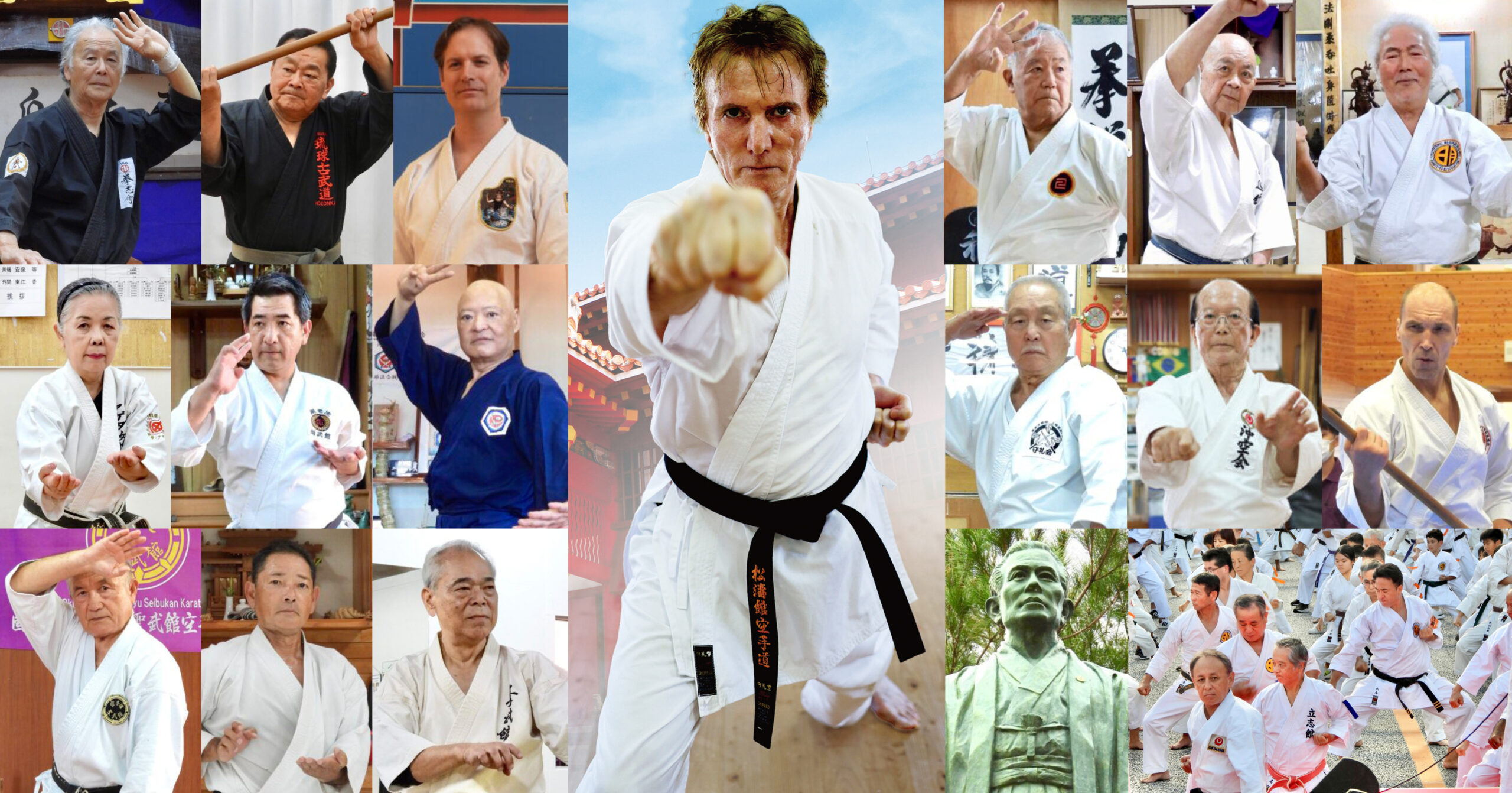
Even though JKA Karate has historically been very dominant, France has shared a quiet but deep connection with Okinawan Karate since the late 1970s. Four major masters have truly shaped the French martial arts scene. It all started in 1976 with the permanent residency of two Shorin-Ryu experts: Master Chinen Kenyu and Master Adaniya Seisuke. Ten years later, a second generation arrived: Master Oshiro Zenei (Goju-Ryu) and Master Shimabukuro Yukinobu (Uechi-Ryu).
After dedicating two articles to Master Chinen, this month we are exploring Master Adaniya Seisuke’s method through a therapeutic lens. His lifelong dedication to functional movement and proper structural alignment provides an outstanding blueprint for sustainable martial arts practice. For therapists and creators of karate-based longevity programs, his philosophy serves as a valuable historical validation: karate can—and should—be an art of bodily preservation.”
“Connexion Corporelle” by Adaniya Seisuke Sensei
The Journey of Master Adaniya Seisuke
Adaniya Seisuke Sensei was born in 1949 in Itoman City. He grew up in an Okinawa still recovering from the war, with very few resources.
At age 14, he started karate simply to get stronger, and because it was an activity you could do using only your own body.
In 1976, at age 27, he arrived in France as a 4th Dan under the legendary Nakazato Shūgorō Sensei. Staying true to his roots, Adaniya Sensei returns to Okinawa every two years.
He earned his 8th Dan there at age 55. In France, he joined the official federation (FFKDA) and was awarded his 9th Dan. “I thought I would stay for two or three years, but I ended up staying for good,” he says. In 1987, he founded the Nippon Budo Club in Paris. From this main dojo, he traveled all over France and abroad to teach. Today, his network includes about thirteen member dojos.
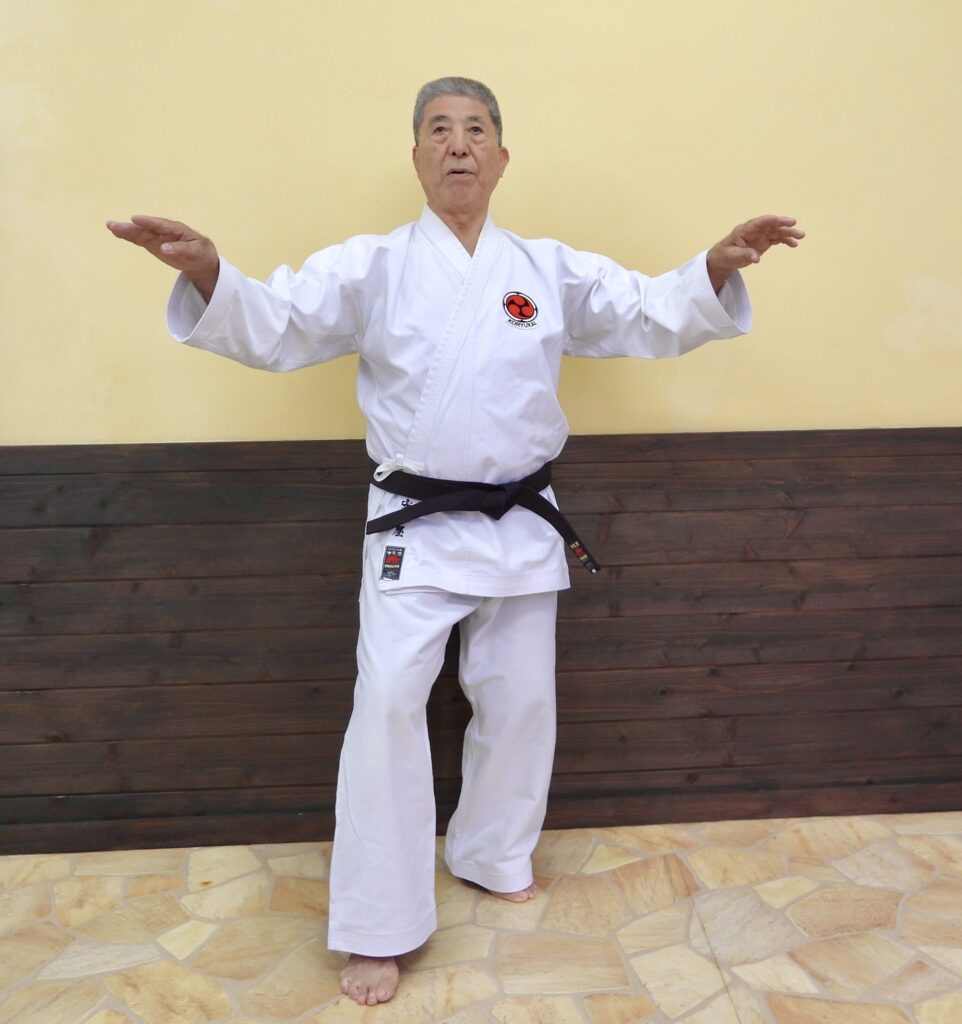
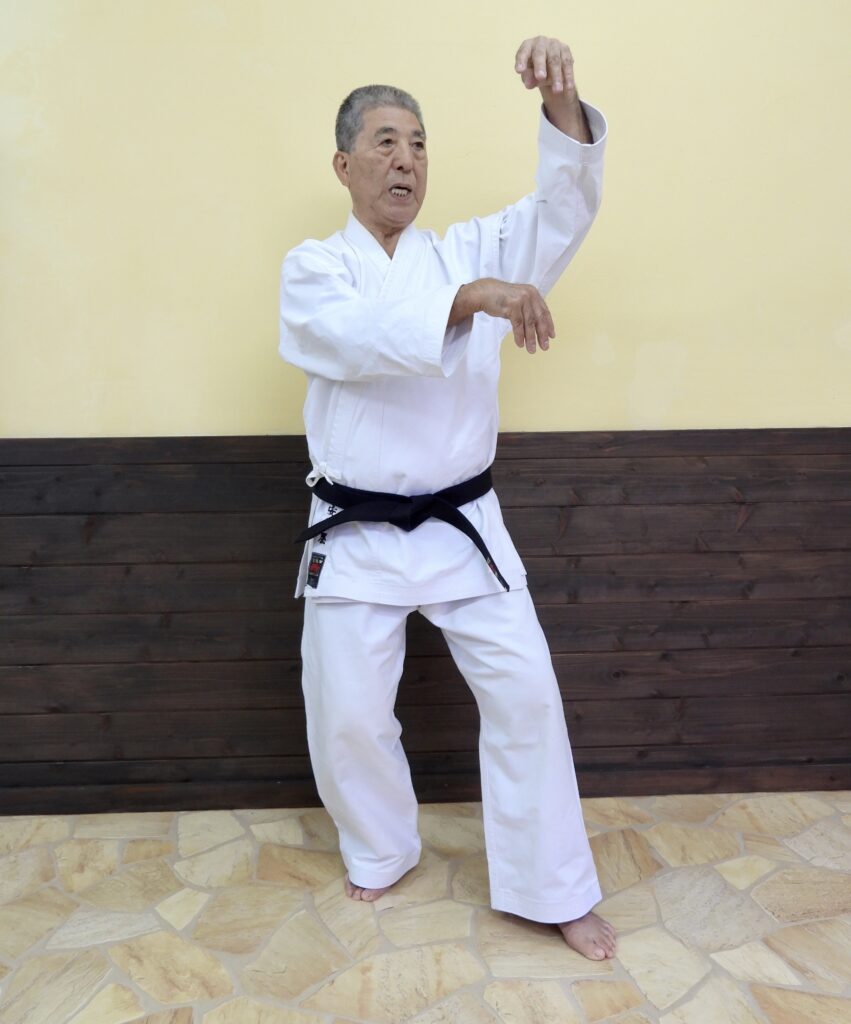
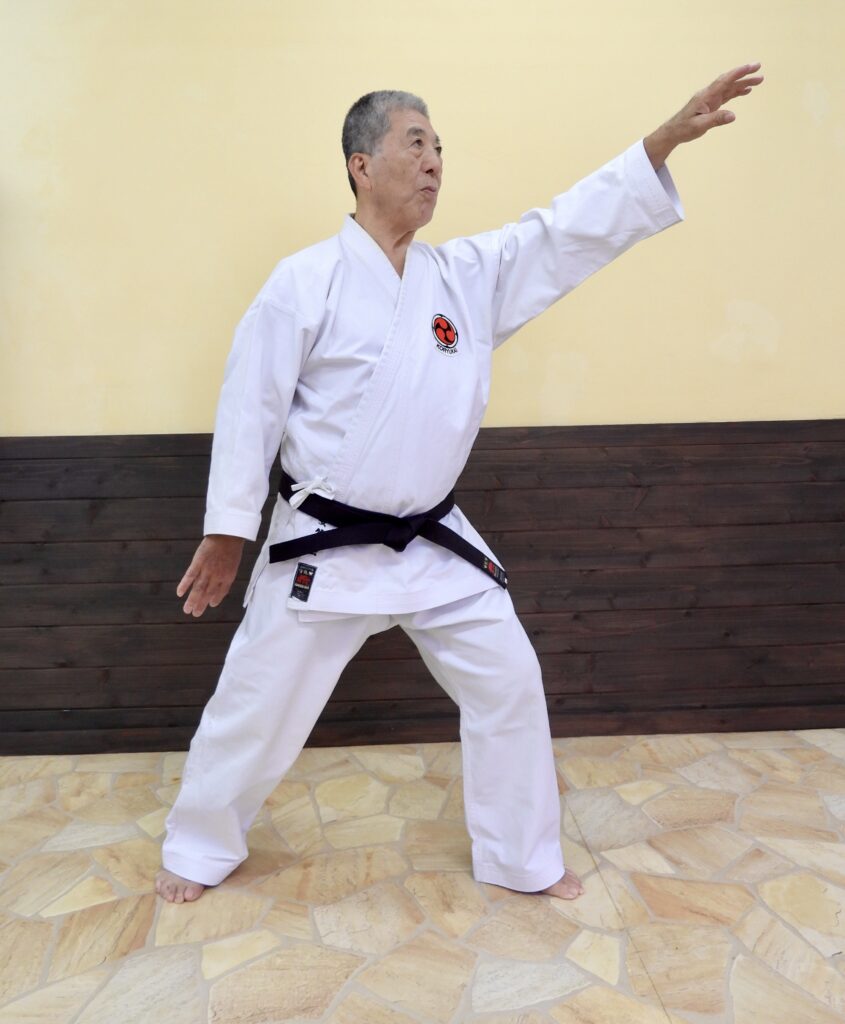
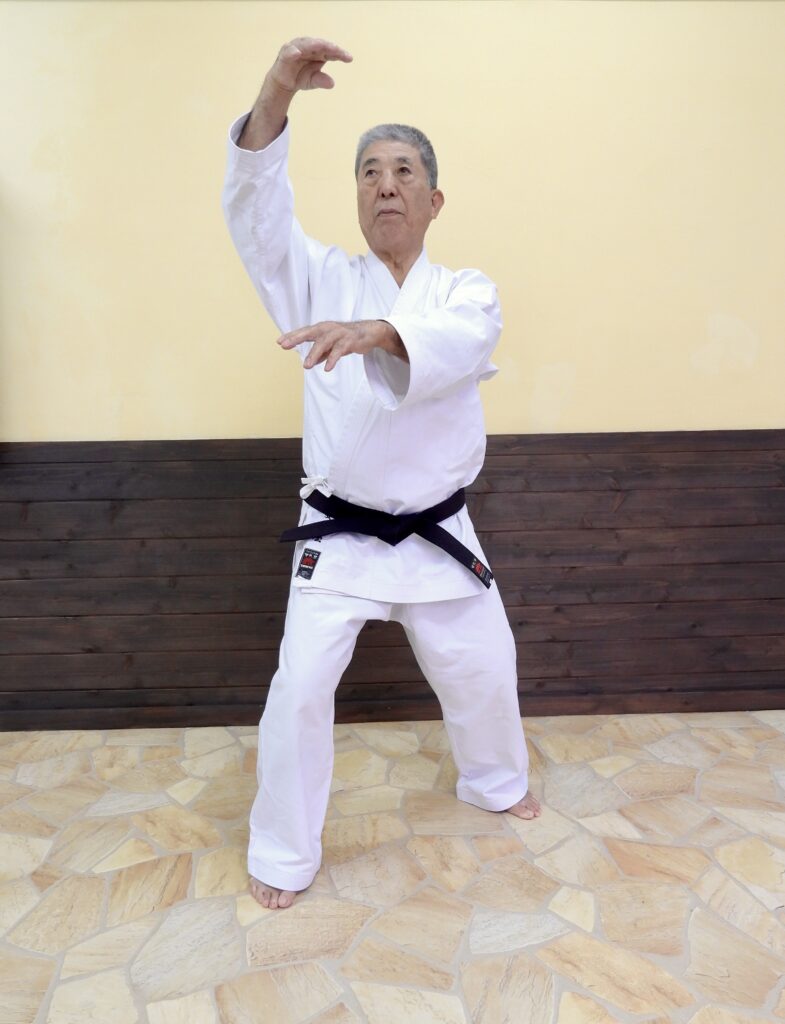
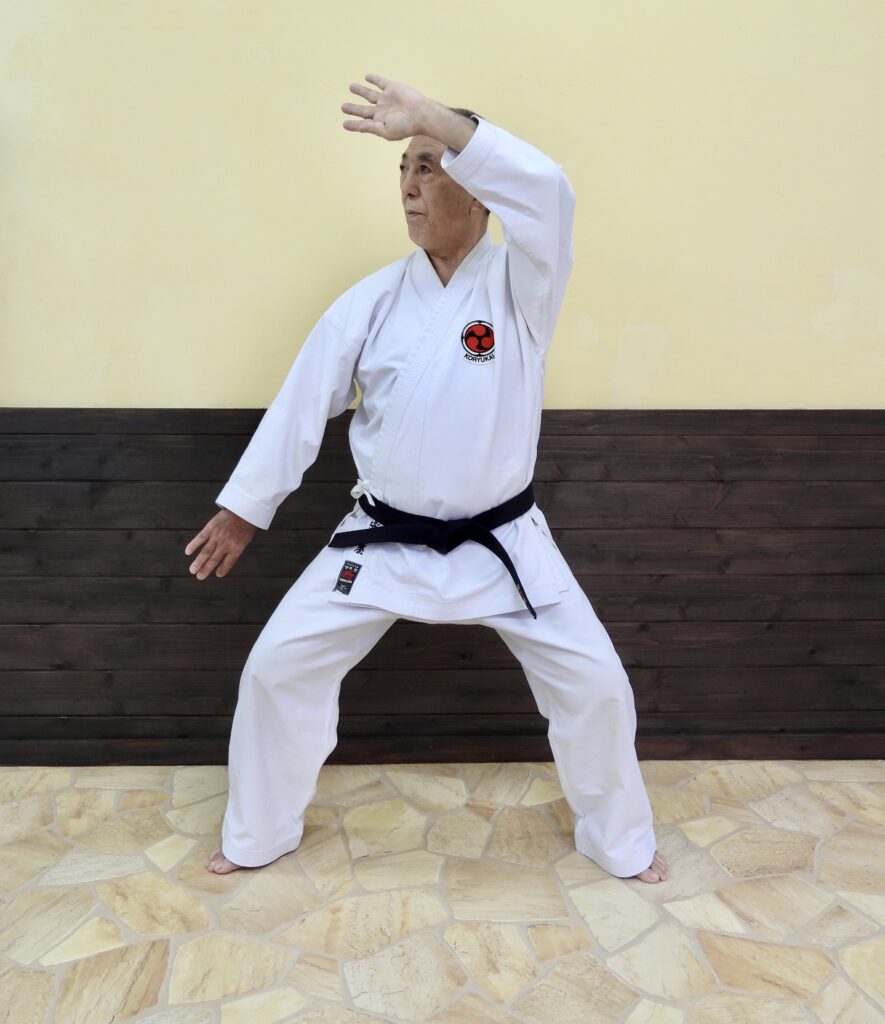
Kata “Hakkaku-ni” performed by Adaniya Sensei
Aromapressure® Healing Dōjō
As body experts living in Okinawa, our research led us to create a global concept that combines “health karate,” “senior karate,” and “anti-aging karate.” Through this scientific and therapeutic lens, we analyze the technique and the spirit that shine through our guests’ practice. We were looking for a Master who puts body structure at the absolute center of his approach, and we found that in Master Seisuke Adaniya. While he doesn’t claim to be a healthcare professional, his bodywork is amazing.
During his recent trip to Okinawa, we invited him, his wife Chantal, and his students to our Aromapressure® school for a joint demonstration. Their method is purely practical, based on the direct feeling of movement, while our approach is more academic and theoretical. This single session created a fascinating bridge between our two worlds.
Disclaimer: A single day of exchanges is not enough to capture the full complexity of a method. Therefore, this article does not claim to analyze the “Body Connection” system developed by Master Adaniya and his wife, Chantal. Our objective is simply to study certain dynamics of movement according to the neurophysiological criteria of our own method (Aromapressure® and Karate-Health). It is our own therapeutic vision of posture that is highlighted here, building upon the clear points of convergence that bring us closer to their practice.
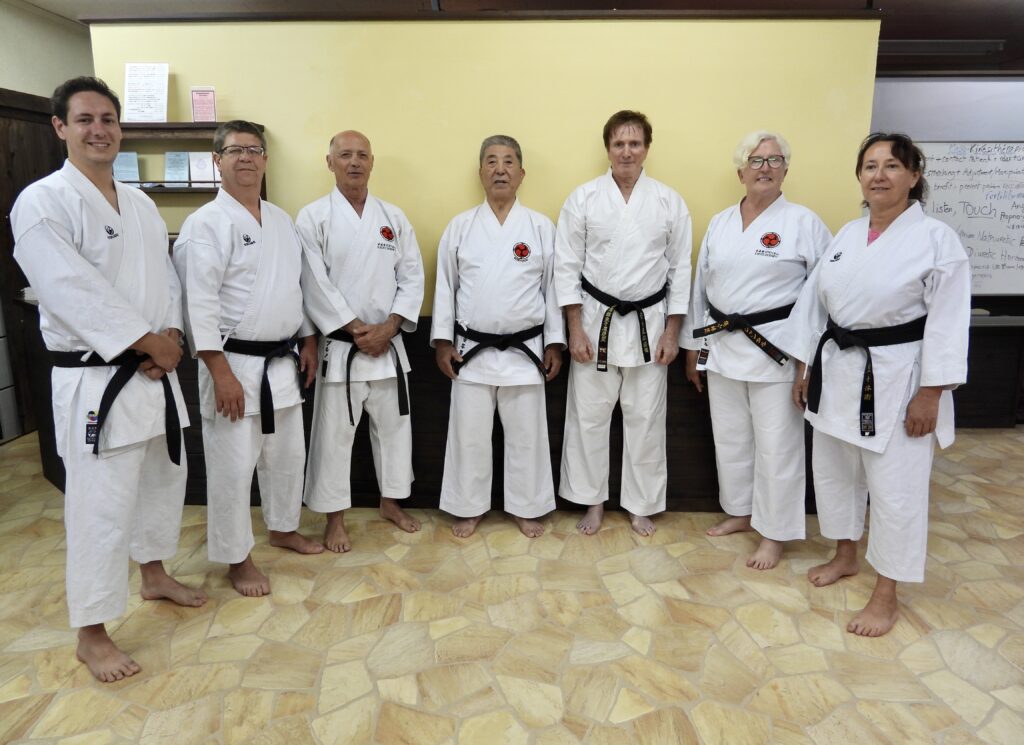
At the Aromapressure® Healing Dōjō
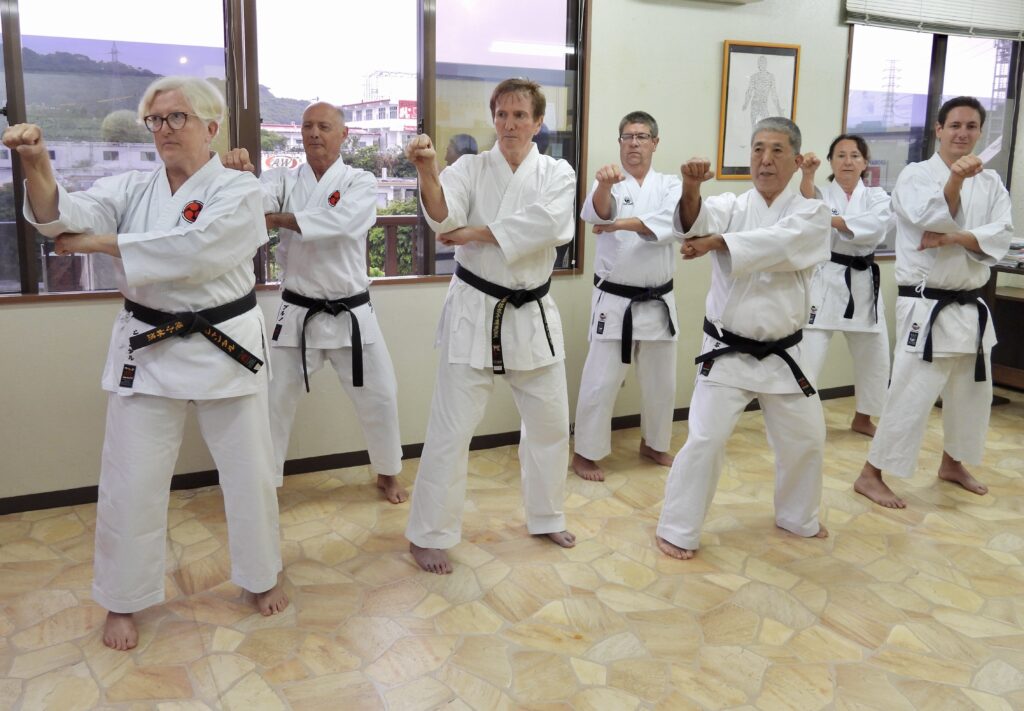
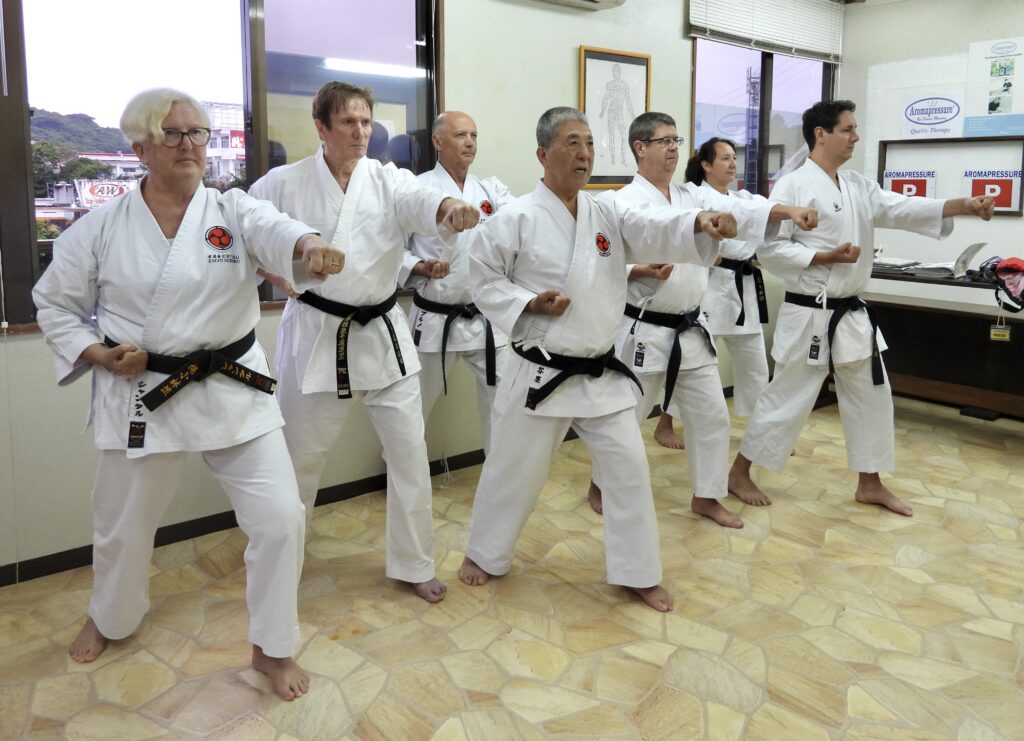
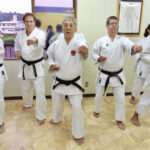
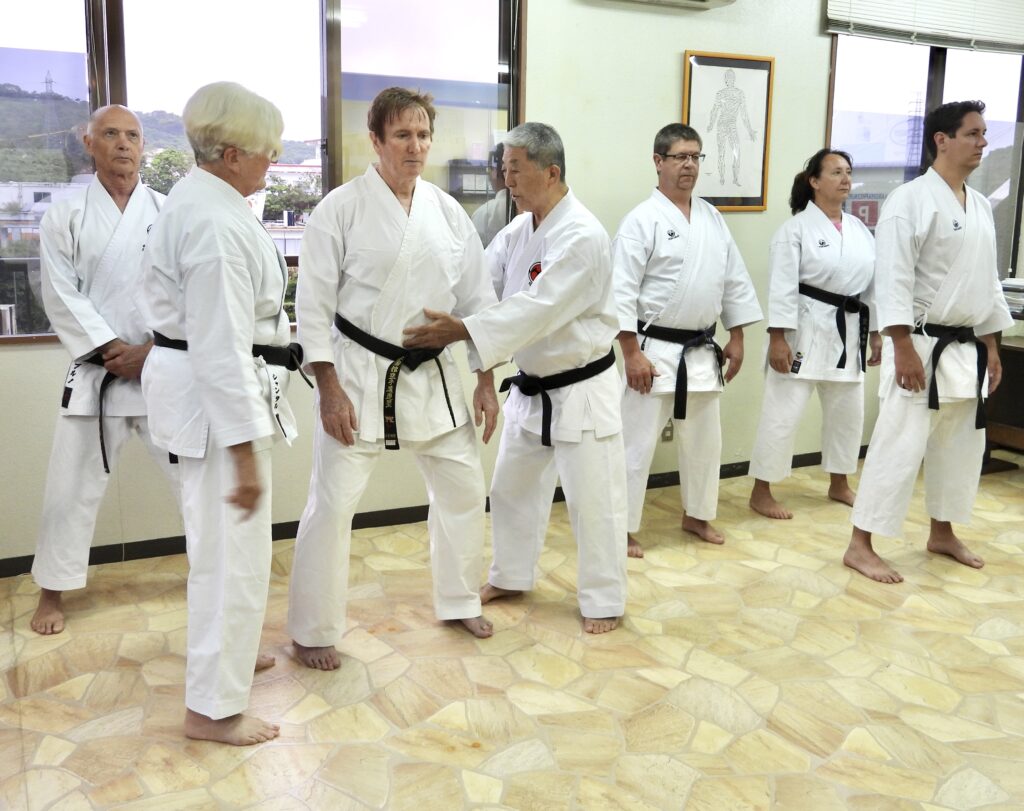
Class begins with Kihon and Kata
Body Alignment and Relaxation: Between Tradition and Science
In Adaniya Sensei’s teachings, the expression “joint alignment” is central.
To grasp its depth, I prefer to use the Japanese term: Rendō (連動), which signifies “connected or chain-like movement.”
Note that the term Tsunagi, sometimes used in dojos, is a linguistic misconception here; in Japanese, it refers instead to a culinary binding agent or work overalls (jumpsuit).
For us as therapists and physical therapy experts, Rendō represents a true, global connection of the entire organism. It is a therapeutic approach to posture that allows energy to transfer without loss, thereby releasing maximum power while protecting the joints through controlled relaxation.
This martial relaxation, however, is too often mistaken for looseness or a “slouched” body, which is a serious misinterpretation.
In physiology, true relaxation precisely describes the absence of parasitic antagonist co-contraction; muscles not directly required for the action remain at rest to fully release the kinetic wave. Far from being rigid, this alignment creates an upright and intensely vibrant posture.
By keeping the head high and straight, the neck does not lean forward, which medically avoids pinching the nerves and blood vessels along the spine. It is this perfect verticality that frees and aligns the sympathetic ganglion chains.
By preventing this mechanical compression, which would immediately place the entire body under nervous tension and promote anxiety, the posture subtly stimulates the vagus nerve.
This neurovegetative shift toward the parasympathetic system regulates the adrenaline surge and triggers the emergence of alpha waves, plunging the karateka into a state of attentive calm and pure vigilance. This subtle architecture, which happens to be the historical posture of all the world’s armies, allows the head to act as a lookout while the body remains completely fluid and fast during movement, before locking like a concrete block at the exact split second the strike impacts the target.
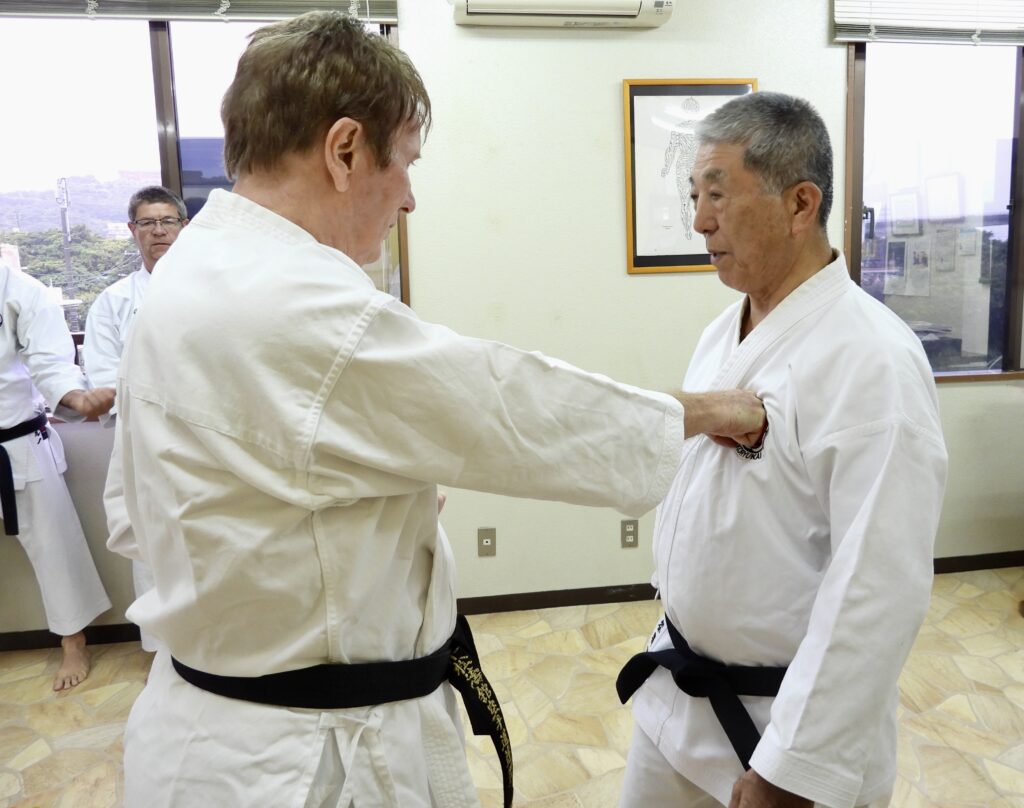
Sensei testing the effectiveness of the techniques
The Art of Positioning: Anatomy of Common Mistakes
To truly appreciate this therapeutic approach to alignment, it is helpful to compare it to the posture mistakes so common in modern karate. Where Okinawa karate looks for postural harmony and body protection, contemporary practice too often suffers from bad alignment that damages your health.
The first big difference is how the pelvis and spine are placed. Modern styles often force an excessive arch in the lower back or, on the flip side, flatten the spine’s natural curves. This creates repeated micro-injuries to the lumbar discs. At the Aromapressure® school, we teach students to preserve these natural curves using a subtle tilt of the pelvis (retroversion), which locks the structure without freezing it.
The same goes for the shoulders and rib cage. Common modern habits tend to freeze the upper body in permanent tension, shrugging the shoulders and trapping the breath high in the chest. The Okinawan approach prefers dropping the shoulder blades and relaxing the trapezius muscles. This clears the path for the arm to move freely and opens up deep abdominal breathing.
Finally, how you connect with the floor marks the ultimate line between destructive karate and longevity karate. Extremely low, rigid stances—often praised for their look in competitions—put terrible stress on the knees and ankles. They also force violent mechanical twisting onto the coxofemoral joint (the hip joint), leading to premature wear of the cartilage and meniscus. Authentic Okinawan tradition prefers higher, more natural, and dynamic stances. By lining up the knee with the toes, the practitioner protects and saves the coxofemoral joint from injuries. Your legs act as natural biological shock absorbers, capturing the power of the ground safely.
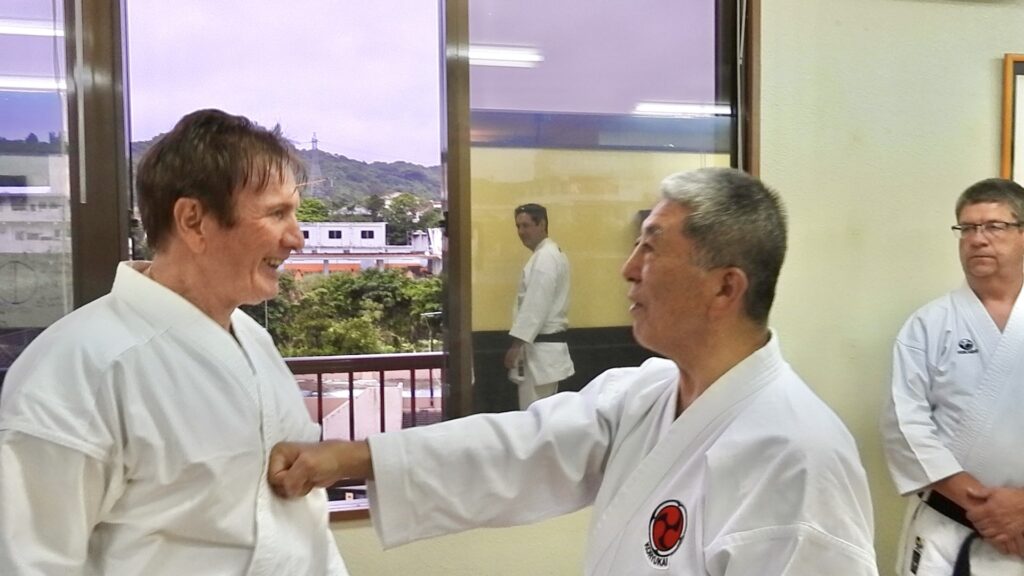
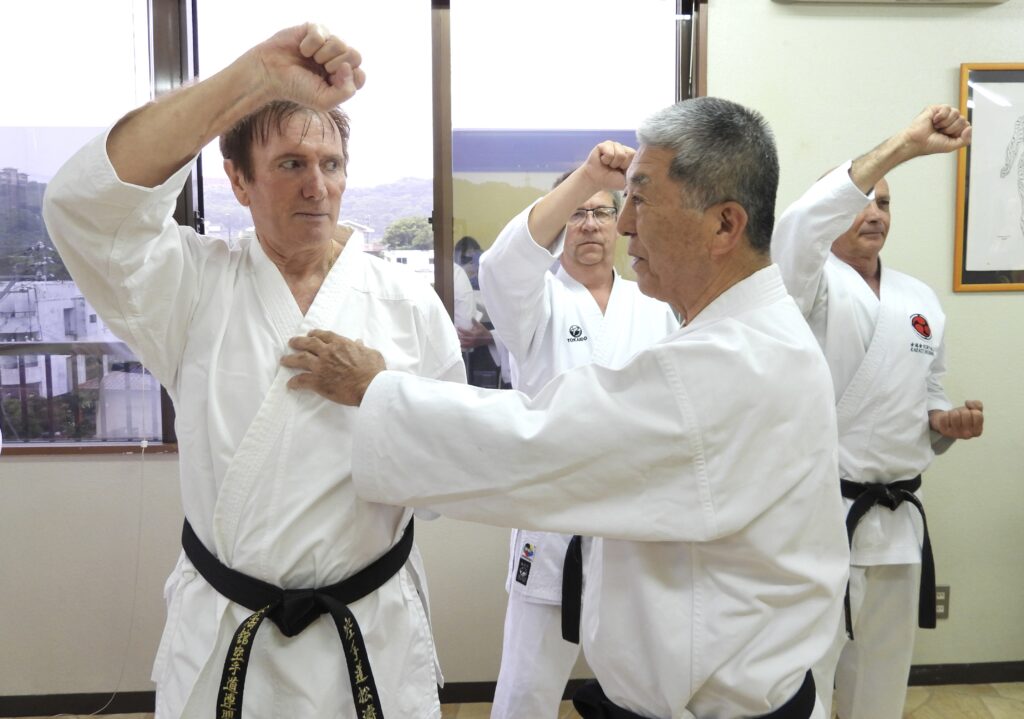
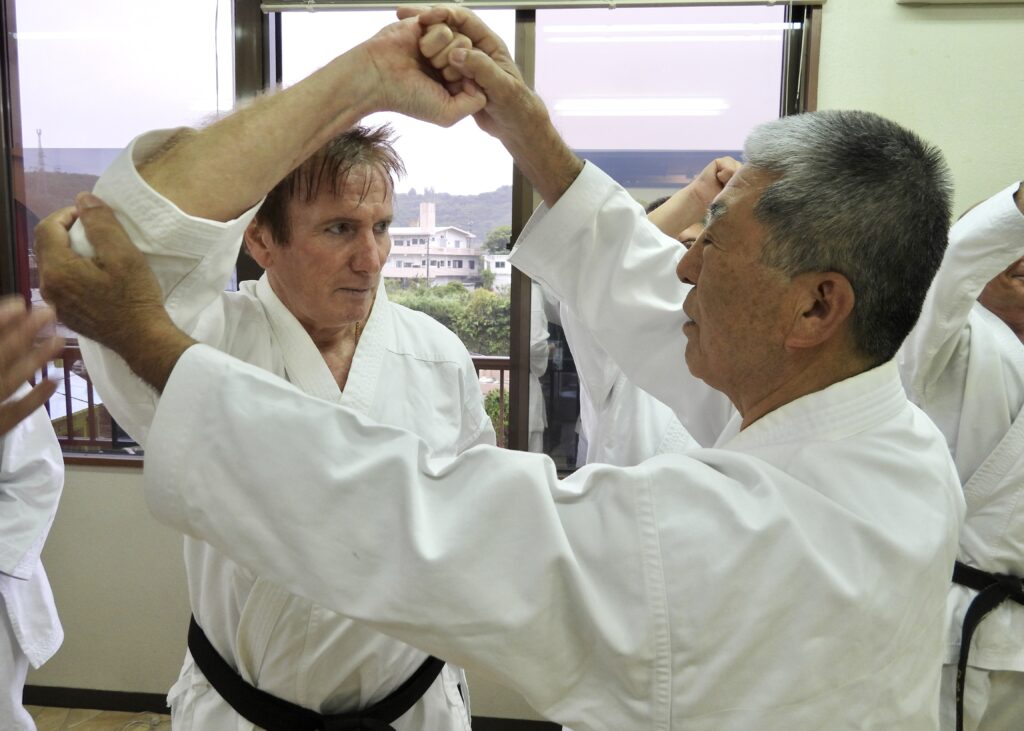
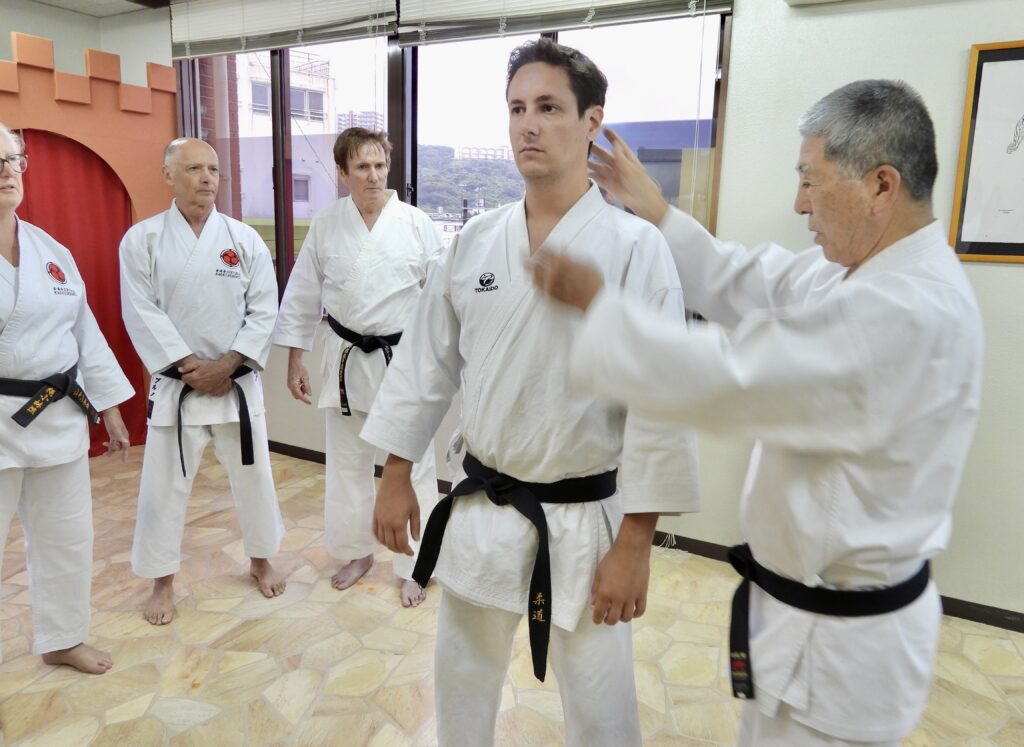
Sensei correcting positions and posture
The Mechanics of Chinkuchi vs. Modern Kime
Right at the exact second of impact, Chinkuchi (チンクチ) activates. This ancient Okinawan term refers specifically to the final coordination of the movement. It should not be confused with full-body connection. Chinkuchi happens at the very last millisecond. It is the ability to instantly lock the skeleton and muscle chains at the exact moment of the strike, without ever freezing your breath or tensing up beforehand.
Anatomically, this concept uses the large muscle group around the shoulder blade (the latissimus dorsi and shoulder muscles).
Its martial and therapeutic goal is to create a perfect synergy, letting a wave of force travel freely from your toes all the way to your fist.
This is the biomechanical principle you trigger with the traditional command: “Chinkuchi wo kakero!” (Engage your Chinkuchi!).
This perfect mastery is beautifully shown in the famous “One-inch punch” popularized by Bruce Lee, or the “Five-inch punch” of Master Higa Yuchoku.
This core concept helps clear up a stubborn historical mistake, especially common in Western karate, where people mistake Chinkuchi for modern Kime, believing Kime is about extreme muscle strength. In reality, the word Kime refers more to “pose” or “pause.” Originally, it only meant the final joint locking combined with the explosion of force.
Unfortunately, this final pause, which should be incredibly brief, has been artificially stretched out in modern katas to become a mere “photo pose.”
Okinawa tradition demands an instant, reflex-like solidification that guarantees power without wasted effort, relaxing immediately the moment the force is delivered.
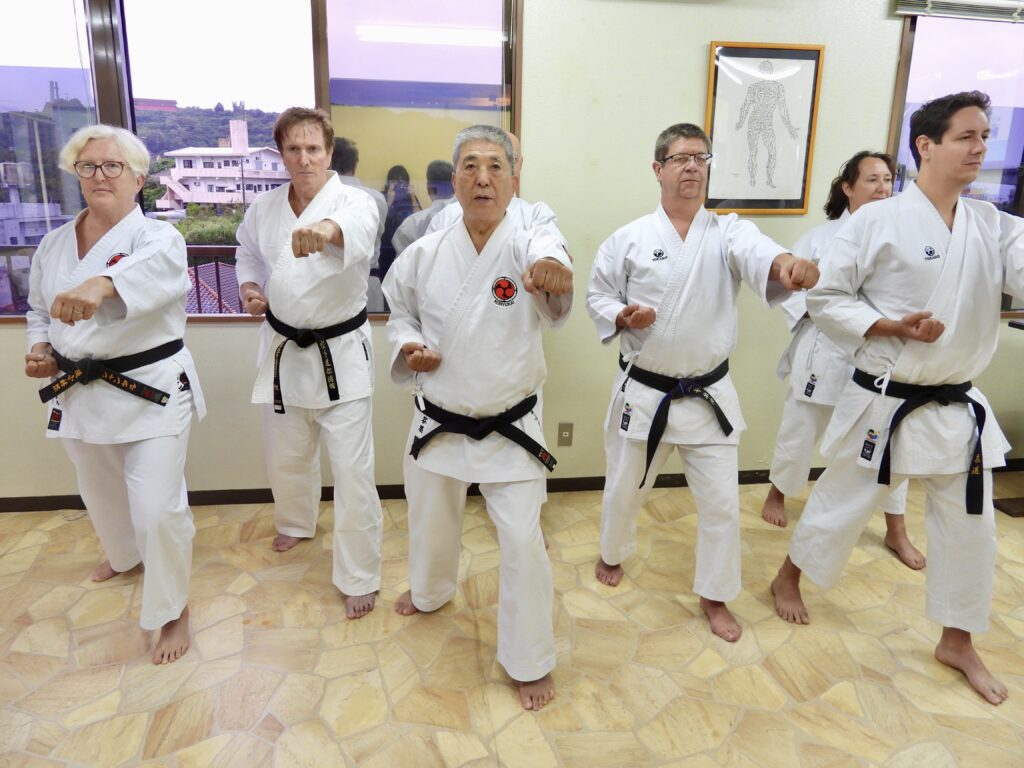
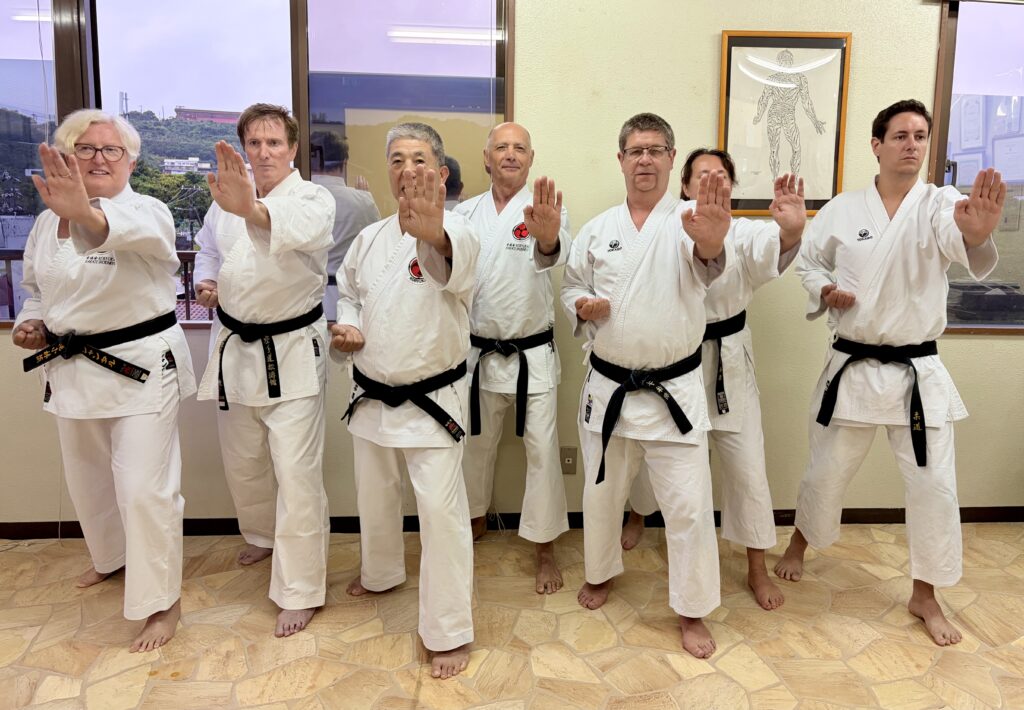
Class resumes
From Theory to Practice: The Role of Gamaku in the Perfect Punch
To understand how this approach stands completely opposed to modern mistakes, we must look at the timeline of an authentic Okinawan punch.
This is where the true secret lies: rotational power does not come from a forced, damaging twisting of the hips. Instead, it comes from engaging the Gamaku .
Gamaku refers to the deep core abdominal muscles and the muscular structure wrapping around the trunk right above the pelvis. This internal engine generates twisting power while completely protecting the fragile coxofemoral joint.
It all starts in the preparation phase with absolute calm. The arm hangs heavy and loose, like a relaxed rope. Muscles are completely soft, blood flows freely, and zero energy is wasted.
Next comes the launch: the initial push starts from the back foot driving into the floor. This upward force is instantly captured and driven forward by the Gamaku, which locks and rotates the center of gravity while safeguarding the joints. The shoulder moves forward, and the arm simply follows, thrown ahead. During this journey, the arm acts like a fluid whip, cutting through the air at maximum speed while the hand stays totally relaxed.
Everything changes at impact. At the exact split-second the fist touches the target, the fingers lock. Through the combined action of Gamaku and Chinkuchi, the whip turns into a block of solid concrete. The whole body locks by reflex to transfer the shockwave straight into the target, before releasing instantly.
When I use the term ‘locked,’ I am referring to that fleeting split second of absolute rooting unique to Chinkuchi. It is the brief, simultaneous isometric contraction of all the muscle chains required to transmit power. This is the well-known instantaneous ‘concrete’ effect. Unlike Tai-Chi, where no such contraction exists, Karate involves impact and therefore requires a final contraction (even for just a millisecond) to lock in the power. This is vital; otherwise, the shockwave would dissipate back into the striker’s own joints.”
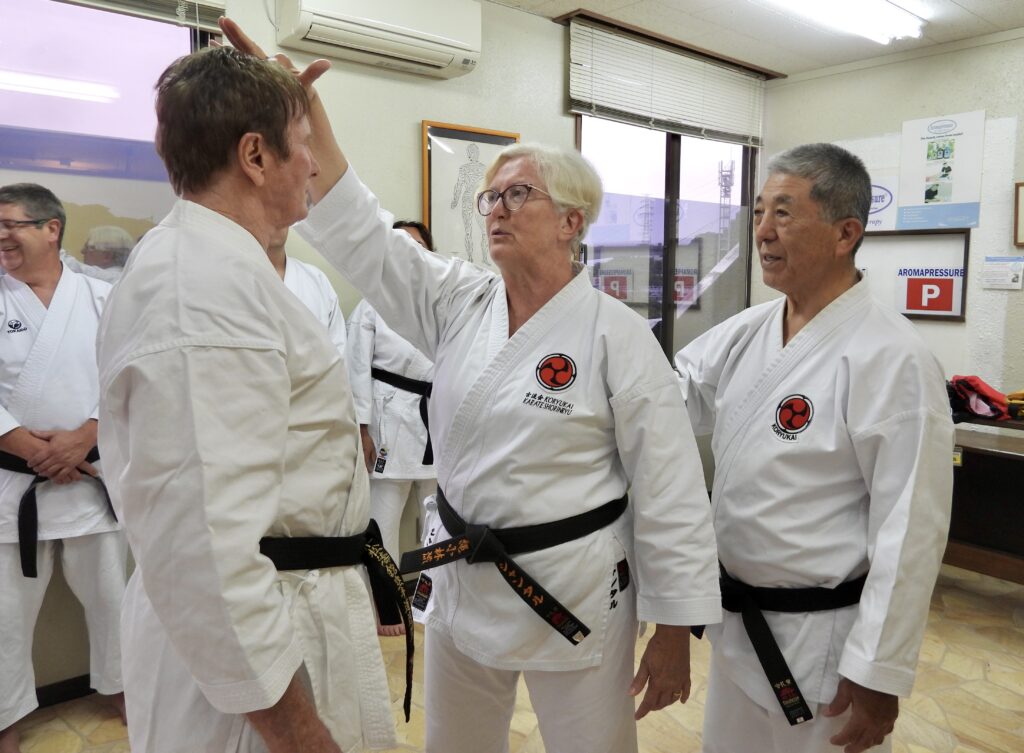
Chantal Adaniya is deeply involved in the method, spotting every single flaw in her students
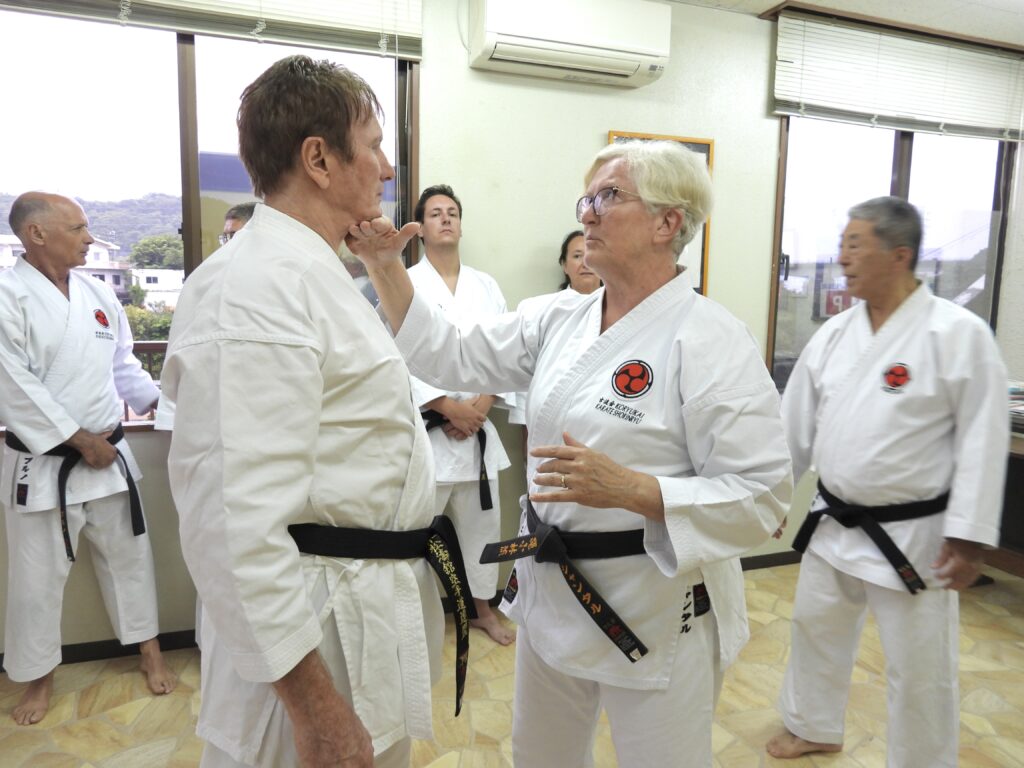
Chantal Sensei explaining that the head must remain upright without extending the neck
Optimal Breathing: The Secret of Kiai
Within this biomechanical framework, breathing acts as the essential cement that instantly transforms a whip into concrete. It must sync perfectly with the tempo of the movement.
During the execution phase, the karateka maintains a relaxed inhalation or holding of the breath to preserve fluid agility. Holding your breath rigidly or tensing up from the start would immediately destroy the speed of the technique.
Explosive exhalation occurs strictly at the moment of impact, sharply expelling the air through the mouth. Whether it takes the form of a short vocal sound or a quick hiss, the practitioner triggers a crucial mechanical reflex. This flash exhalation instantly contracts the abdominal wall. The hardened core binds the upper and lower body into a single, cohesive structure, ensuring pure power transfer without any destructive recoil back into the joints.
It is worth noting that there appears to be a slight difference of opinion here between our approach and the proponents of ‘Connexion Corporelle’.
Their approach consists of maintaining a strictly ‘normal,’ unforced abdominal breath, systematically dismissing any explosive or forced exhalation.
While I am the first to argue against overemphasized breathing and theatrical kiai, a sharp, controlled air release remains an absolute physiological necessity for impact.
After all, our focus here is Karate, not Tai Chi.
I certainly acknowledge that alternative, more intuitive theories exist—ones that may lie outside my strictly analytical and anatomical framework.
Although certain Okinawan Ryū utilize unique inhalation dynamics, standard martial science rarely underestimates the role of a dynamic air release to seal the impact.
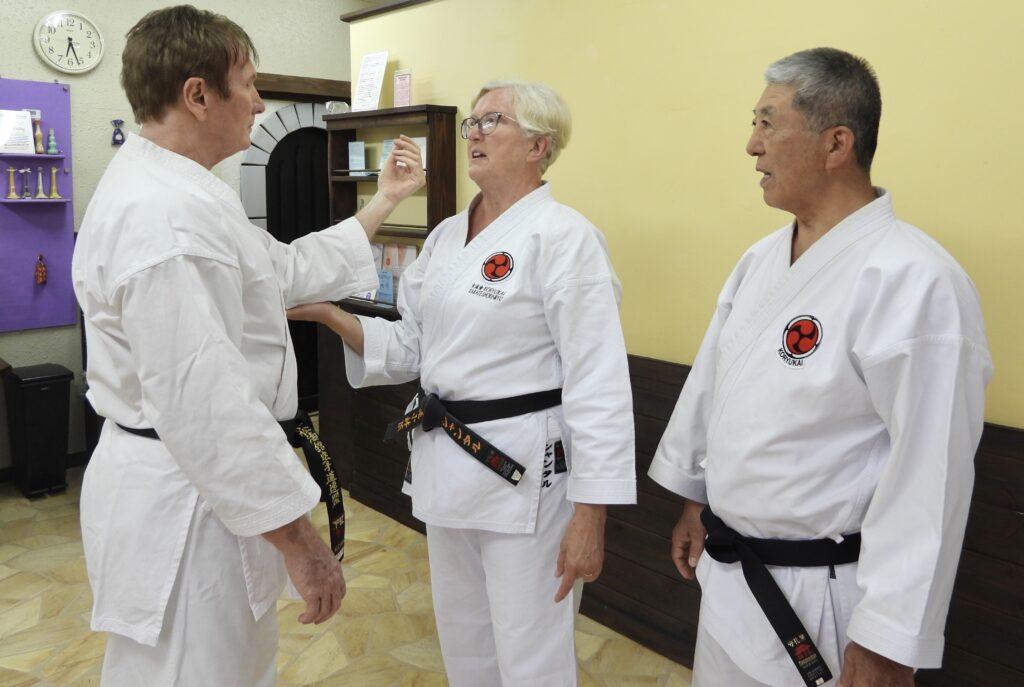
The “heavy-elbow” test
The Ultimate Test: The Hanging Sheet of Paper
To help our students feel this relaxation and the lightning speed of impact, we use a brutally simple traditional exercise: the hanging sheet of paper.
You just let a sheet of paper hang from a string at chest height. The classic trap for beginners or heavy hitters is squeezing the fist right from the start.
Their tense muscles end up pushing the air ahead of them, making the paper simply fly away before it’s even touched.
It’s the same story with the candle test, where I still occasionally get schooled by Yuko or slender female karatekas…
Succeeding in this exercise requires adopting the whip-to-concrete logic. Standing in front of the target, the practitioner keeps their hand open and their arm heavy, then launches it with total relaxation. Only at the exact millisecond the knuckles graze the paper does the fist close and the sharp exhale snap. If the timing is scientifically perfect, the paper won’t fly away. It will be cleanly torn or pierced through by the shockwave of pure speed.
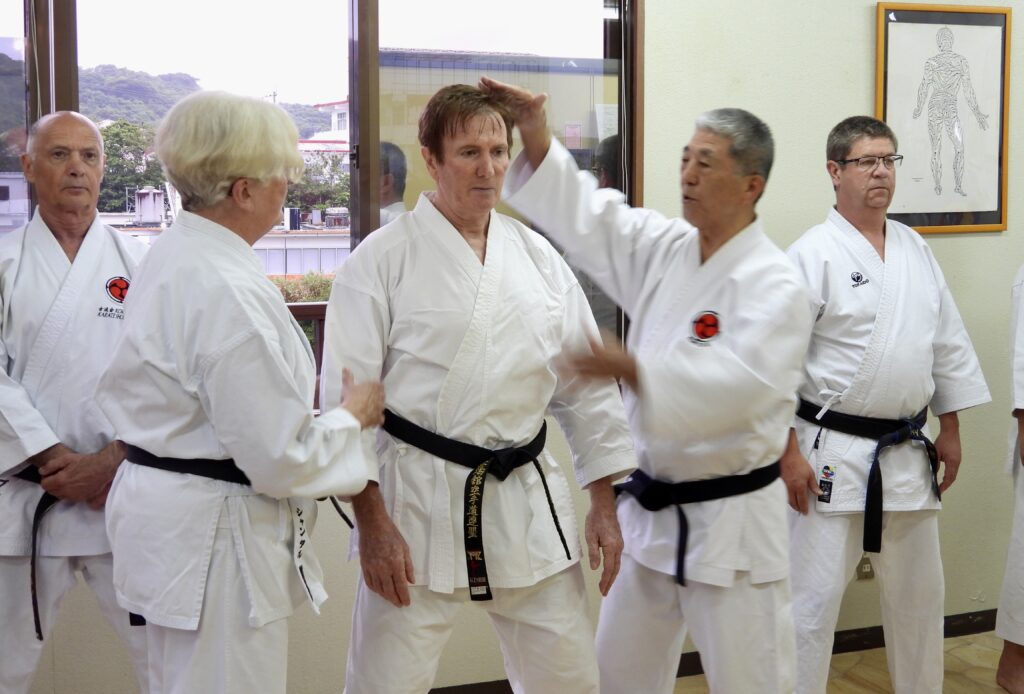
Chantal and Seisuke Sensei demonstrating an immense passion
The Warrior’s Medical Education:
When Scientific Visualization Outperforms Sensation
In modern martial arts, there is an almost sacred dogma that pushes students to constantly chase a “sensation.” Yet, within the Aromapressure® method, we stand by a truth that challenges this conventional wisdom: sensation is not visualization.
Despite what the name suggests, sensation is not a purely physical experience. More often than not, it is emotional, fluid, and blurry. Conversely, visualization—while mental—maintains a direct connection to the physical reality of anatomy.
To truly pilot their bodily machine, karatekas must first understand how the body functions anatomically and physiologically. The mind must have the humility to learn the science of the house it lives in before pretending to command it.
Asking practitioners what they feel, as most teachers spontaneously do, often leaves them trapped within their own cognitive limits. Without precise medical reference points, feelings remain subjective and approximate. This is why our approach prioritizes a book-based, rigorous, and anatomical education. Before executing a karate technique or receiving a therapeutic treatment, the student or patient must scientifically understand the structure of their own body.
This reason-based approach deeply transforms the learning process. It shifts the practitioner away from mere sensation and toward positive, fact-based visualization. Instead of trying to guess a mysterious feeling, the educated student visualizes the exact biological action of their movement.
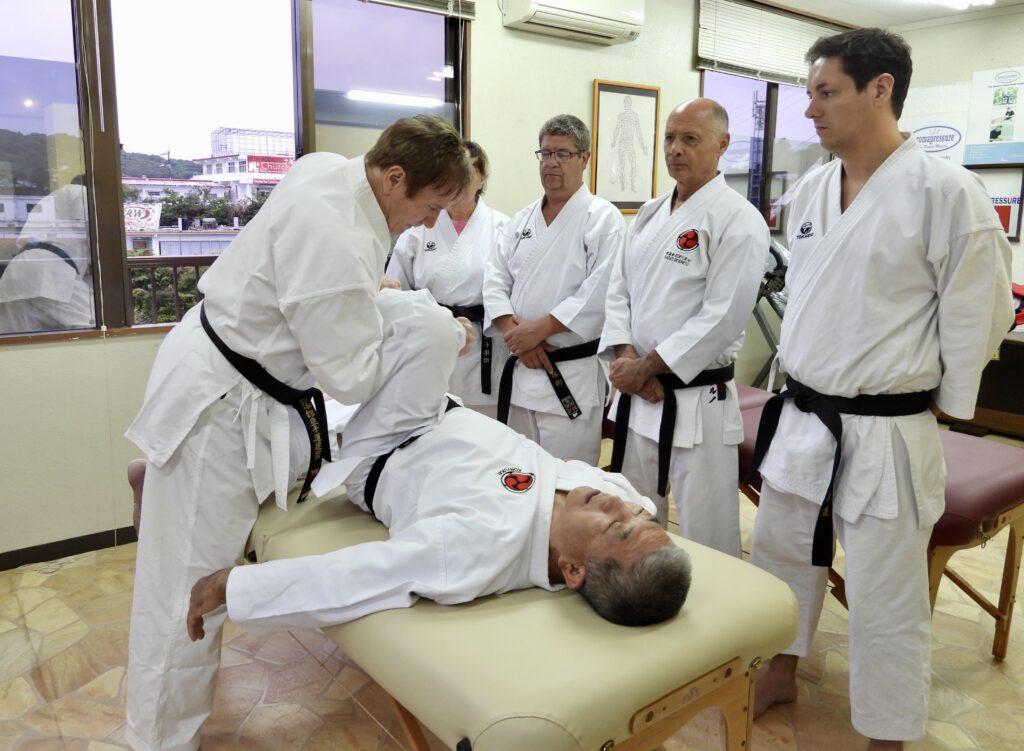
Passive therapy session
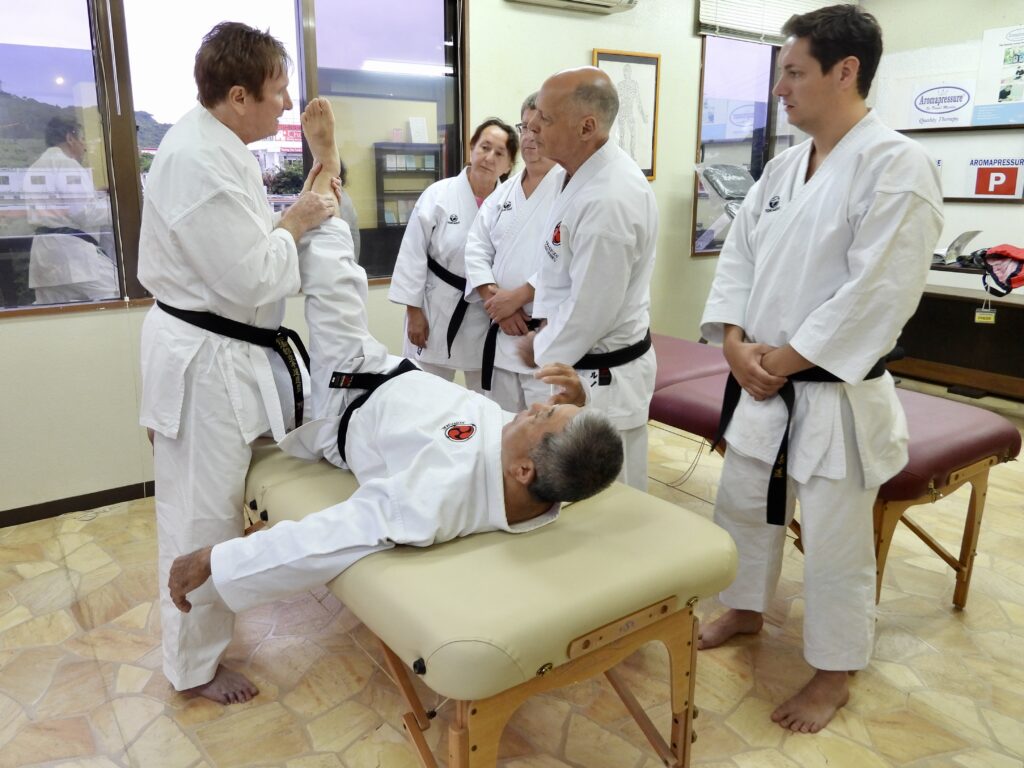
Checking for edema, the core of lymphology diagnosis
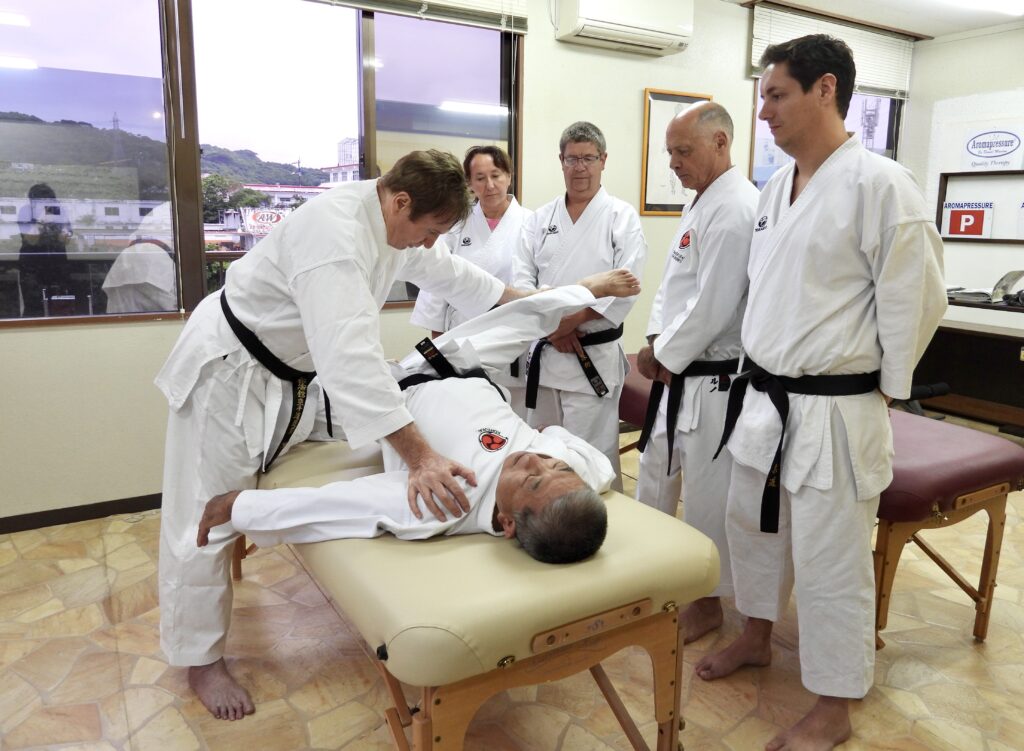
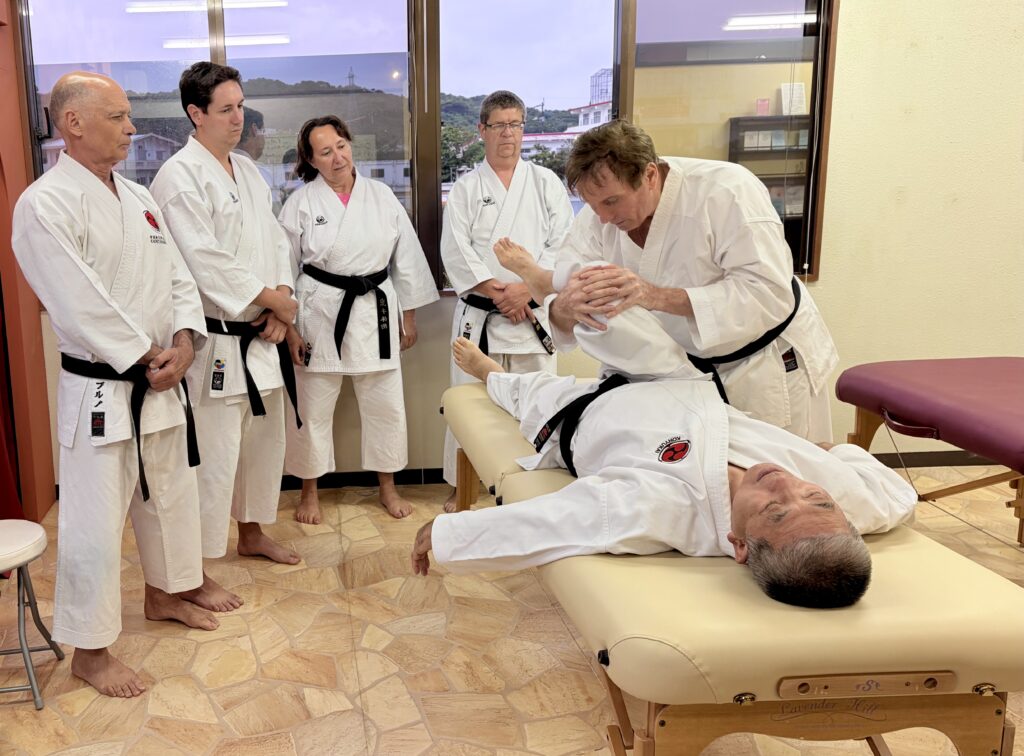
Hip alignment
The Laws of Physics at the Service of Longevity
At the end of this analysis, physics engineers would rightly remind us that there is nothing new under the sun here—it’s all a matter of the “base of support” and how it shifts. The human body obeys an unforgiving rule: it loses balance the exact moment the vertical line passing through its center of gravity (located right in front of the sacrum) strays outside its footprint on the ground. Whether throwing a kick—especially if you lack flexibility—or lunging forward in an attack, sticking your glutes too far out or pushing them too far forward shifts this center of gravity in a dangerous way. It’s to fix these constant imbalances that we unconsciously twist and squirm, wasting a phenomenal amount of energy in the process.
During our meeting, Chantal and Adaniya Sensei didn’t give me an inch, coaching me manu militari at the slightest loss of vertical alignment. It was an exhausting but incredibly rewarding exercise. They showed absolutely no mercy for my two hip replacements or my widespread osteoarthritis, firmly reminding me that the fault lay entirely in my own lack of vigilance. In this pursuit, keeping the neck and head stretched toward the ceiling plays precisely the role of the perfect lookout to lock the posture into place.
To be completely honest, another minor disagreement I had, was over this subtle boundary between the center of gravity and the Tanden. While martial arts teachers sometimes prefer to preserve the mystery of this traditional concept, as a therapist, I make it a point of honor to explain scientifically what a clinical eye sees here. It’s not a contradiction, but a matter of perspective. Where biomechanics measures a fixed geometric coordinate located right in front of the sacrum, the karateka feels and pilots a dynamic center. I would say that ultimately, the Tanden is the center of gravity made conscious through visualization and breathing, allowing practitioners to instantly direct their mass over their base of support.
The Foot Triangle: The Secret to Conscious Proprioception
For the proprioception work that forms the heart of my health-focused Karate, I have spent the last few years deeply studying the science of foot support.
This is an expertise originally beautifully developed by Miyagi Chōjun’s Gojū-Ryū, but also by Maurice Béjart for classical dance.
Clinical observation reminds us that the three support points of the foot form a perfect triangle between the calcaneus at the heel, the head of the first metatarsal (at the base of the big toe), and the head of the fifth metatarsal. This system creates three arches (medial, lateral, and anterior transverse) that, when properly balanced, literally suction to the ground. This is where the comparison to the Okinawa gecko comes from.
This experience brings me to a firm conclusion: conscious proprioception is the absolute pivot of balance rehabilitation. Mechanical and repetitive karate practice, when done without awareness, is nothing but an illusion. It is precisely for this reason that we are so often disappointed when we see our own movements on video.
Daniel’s Conclusion
A heartfelt thank you to Master Adaniya Seisuke and his talented, passionate wife Chantal for their friendly visit, as well as to their excellent students, including Valérie Petit, an Oriental Medicine practitioner and Bruno Méal, a Doctor of Pharmacy. In the quest for efficiency, the goal remains to harness the laws of physics through biomechanics to generate superior power. However, we must distinguish between the tools we use.
To put it all together: Rendō, Chinkuchi, and Muchimi…
- Rendō is the refinement of the chassis, the structural frame.
- Chinkuchi is the engine—the neuromuscular ability to engage muscle chains in a precise order, harmoniously syncing postures, movements, and body segments to deliver power at the exact moment of impact.
This perfect postural control and joint alignment are achieved through “Datsu ryoku” (the pursuit of effortless efficiency), which requires complete relaxation to find one’s center.
For seniors, Muchimi (the Okinawan word for using the body like a fluid whip) stands out as a less martial option, infinitely better suited for preserving tissue health.
Our approach aims to unite these once-separated principles by making conscious proprioception and kinesthesia the true pillars of our method. When excessive mechanical stress is placed on the body, it leads many practitioners straight to hip replacement surgery. This is where the anatomical correction offered by Okinawan karate is life-saving. To generate power, we shouldn’t be forcing our femoral heads; instead, we must rely on the flexion and subtle rotation of the torso. By engaging the deep abs, obliques, and spinal muscles, health-focused karate protects the skeleton while optimizing energy.
Ultimately, one cannot help but think of the famous fable of The Oak and the Reed. Where Aesop’s original, pragmatic version teaches us that flexibility is key to surviving against forces stronger than ourselves, Jean de La Fontaine warns against the pride of the mighty that causes their own downfall. In health-focused karate, as in life, flexibility and conscious alignment remain our best weapons against the wear and tear of time—offering the ultimate key to a martial arts practice that can truly last a lifetime.
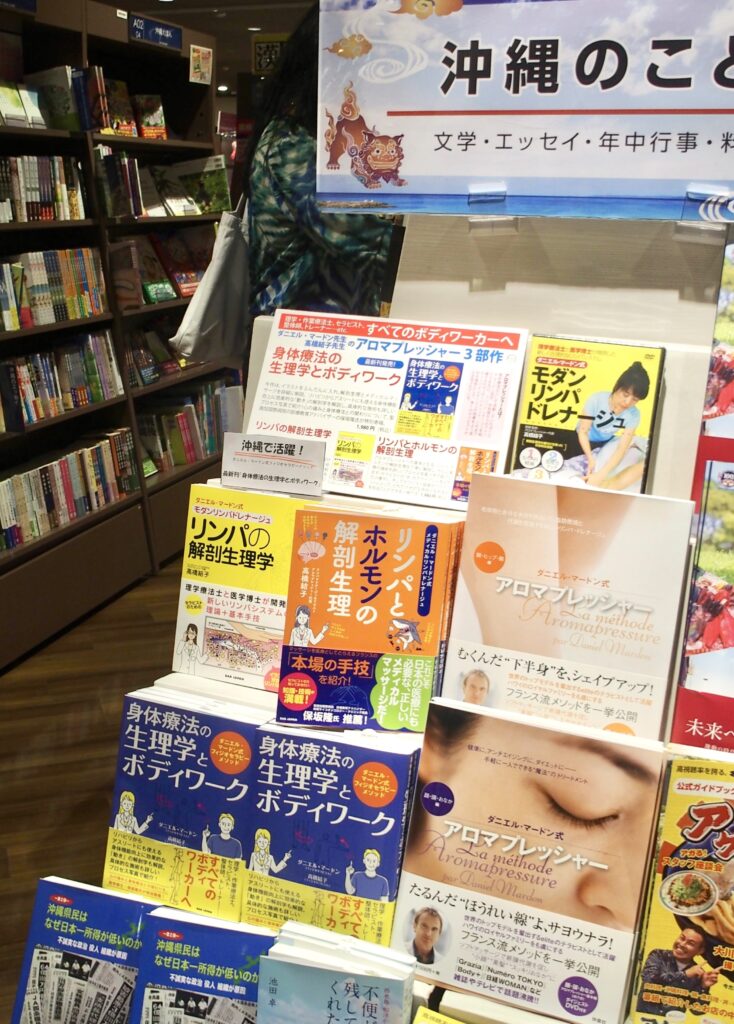
Our books are sometimes featured in special displays at major bookstores in Japan, especially in Okinawa
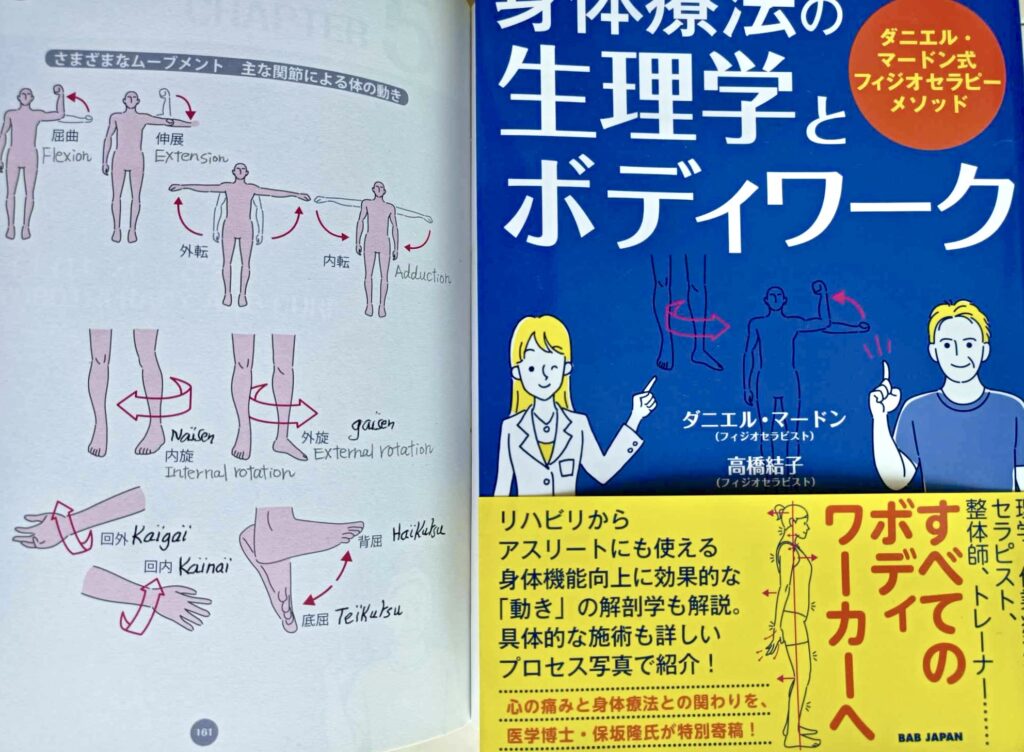
One of our books covering the physiology of karate
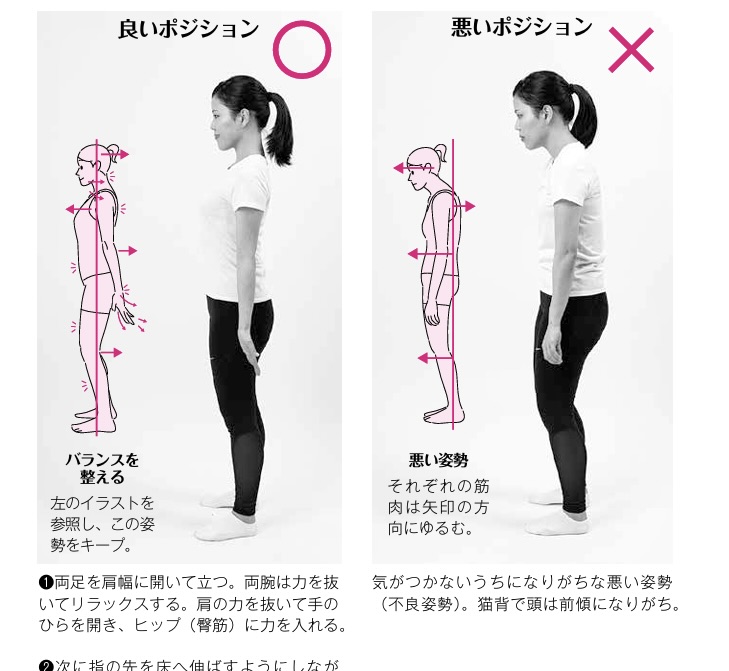
Excerpt from our book: Correcting poor posture by mobilizing white muscle fibers to re-educate red postural fibers. This rapid activation awakens the nervous system for a perfect realignment of the body.
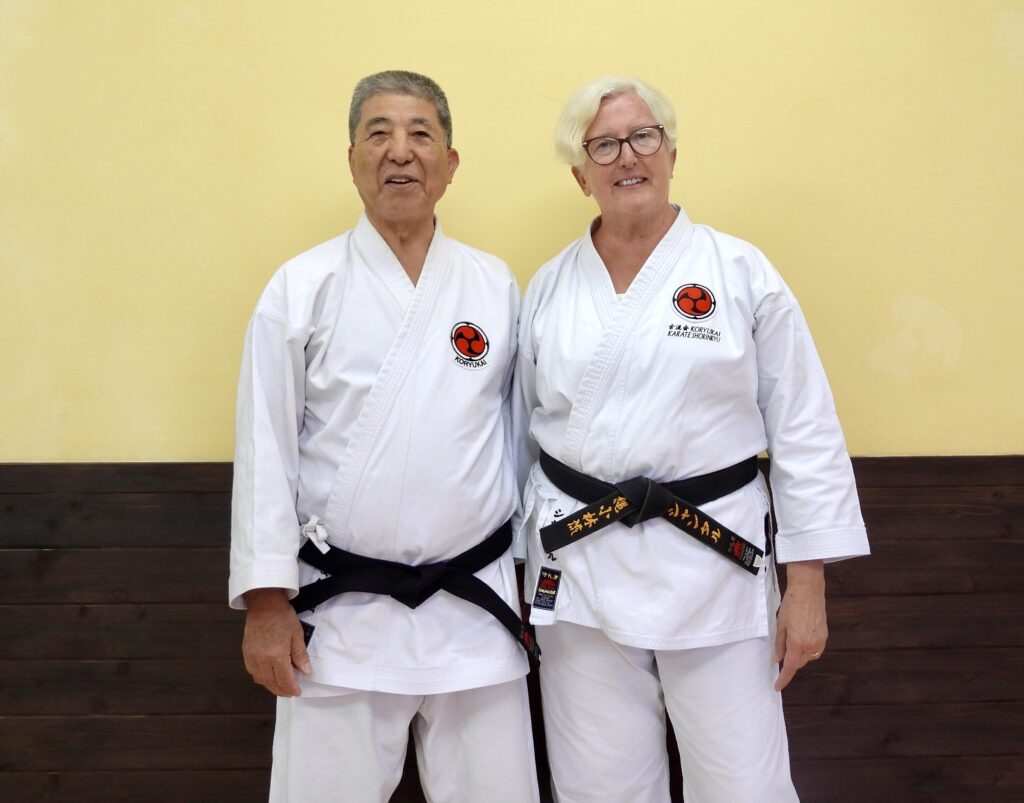
A dynamic duo! Adaniya Sensei and his wife Chantal
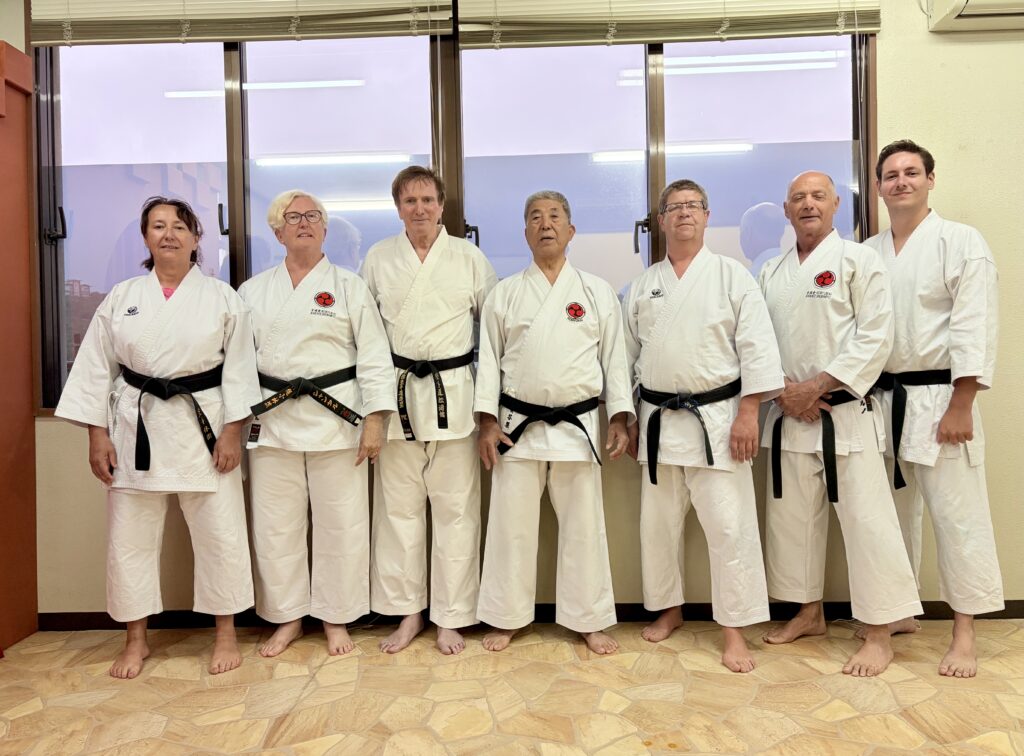
From left to right: Valérie Petit, Chantal, Daniel, Sensei, David Petit, Bruno Méal, and Kévin Petit
Daniel Mardon; the Karateka-Therapist
Creator of Aromapressure® method and physiotherapist with a valid US license, Daniel Mardon was born in Paris. One of his specialties is to teach and to perform lymphedema and subcutaneous tissue-damage care, after radiotherapy for cancer patients at medical institutions and subcutaneous tissue-circulation stimulation before and after surgery.
He was also a therapist for two famous soccer teams in Paris. Since 2005, he has focused on producing top-class hotel spas in Japan, as well as physiotherapy education and awareness-raising activities for health care professionals. Author of several books, among his major publications includes “The Physiology and Bodywork of Physical Therapy ” (Published by BAB Japan) and DVD “Daniel Mardon Aromapressure® Method ” (Pony Canyon). He regularly appears on television and radio shows, and has featured in numerous media publications.
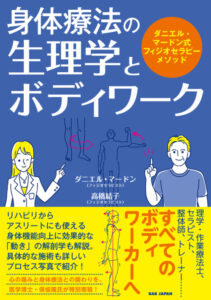
『身体療法の生理学とボディワーク』(The Physiology of Somatic Therapy and Bodywork)
Co-written by Daniel Mardon and Yuko Takahashi
On sale now on the BAB Japan website!